

Why Qutab Golf Course is where Delhi golfers are born
There are golf courses that celebrate champions.
And then there are golf courses that create golfers.
Qutab Golf Course belongs firmly to the second category.
No grand trophy cabinets.
No member walls screaming legacy.
Yet quietly, day after day, this is where Delhi’s golf journey usually begins.
Not with a birdie.
Not with a handicap card.
But with confusion, nervous swings, borrowed gloves, and one simple thought:
So this is golf.
The First Tee, The First Fear
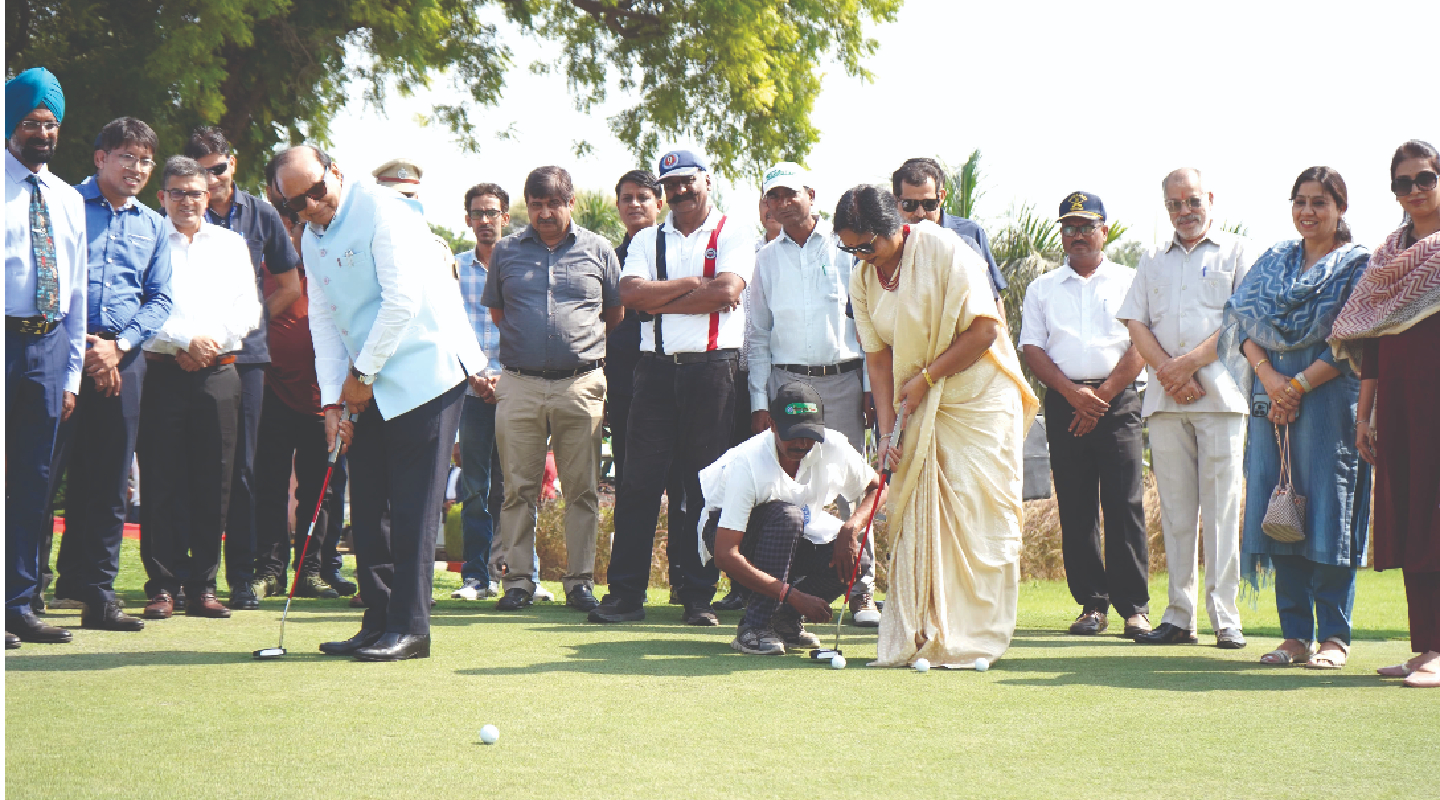
The first tee at Qutab has seen more shaky hands than any therapist in South Delhi.
Beginners arrive with brand new shoes that still squeak, clubs bought after three weeks of YouTube research, and expectations borrowed from television coverage. Reality arrives quickly.
The swing misses the ball.
The second swing taps it forward six feet.
Five strangers behind you suddenly feel very present.
Welcome to your first round.
Nobody forgets their first round at Qutab because nothing about it is smooth. It is noisy, crowded, unpredictable, and slightly intimidating. Which is exactly why it works.
Where Golf Loses Its Illusions Early
Qutab does not allow fantasies to last.
There is no empty fairway to hide your mistakes.
No silent gallery pretending not to notice your topped drive.
No long gaps between groups to take six practice swings in peace.
Here, golf introduces itself honestly.
You learn that:
- Golf is played while people watch.
- Golf requires patience before technique.
- Golf rewards pace, awareness, and etiquette as much as swing mechanics.
Private clubs teach you how golf should look.
Qutab teaches you how golf actually feels.
Journalists, Corporates, And Accidental Golfers
Qutab has one rare quality that elite clubs do not.
Everyone looks equally lost on their first day.
The corporate executive who has chaired board meetings.
The journalist who can confidently question Olympians.
The late bloomer who decided at 42 that golf felt like a good idea.
All of them stand on the same tee box, quietly negotiating with their nervous system.
Nobody cares who you are here.
Only whether you can keep pace.
That is why so many journalists play their first round here. Not because it is glamorous, but because it is real. It provides stories before it provides scores.
The Late Bloomers Club
Qutab is especially kind to late starters.
This is where people arrive thinking, I am too old to learn golf, and leave thinking, maybe I am just new.
You see it every evening.
Someone who started with range sessions.
Then nine holes.
Then eighteen, slowly.
Their scores are high. Their smiles are genuine. Their commitment grows quietly.
Qutab does not rush you into being good. It only insists you keep moving.
Learning Golf The Hard Way, The Right Way
At Qutab, you learn things no coach explicitly teaches.
How to play when the fairway is busy.
How to stay calm when the group behind is impatient.
How to accept bad shots without theatrics.
You learn when to drop, when to move on, and when ego costs more strokes than technique ever will.
These lessons stay with you long after your swing changes.
That is why golfers who graduate from Qutab carry a different confidence. Not loud confidence. Quiet readiness.
Not A Trophy Factory And Proud Of It
Qutab is not interested in producing champions. It is interested in producing golfers.
People who understand pace.
People who respect shared spaces.
People who know golf is not a performance sport, it is a personal one.
Many players leave Qutab for private clubs later.
Very few forget where they learned to survive their first round.
If You Learned Golf Here, You Know
You know the nerves.
You know the chaos.
You know the strange pride of finishing despite everything.
And you know this truth.
Before handicaps, before club memberships, before scorecards worth framing, there was one course that did not care how good you were.
Only that you showed up, kept pace, and tried again.
That is why Qutab Golf Course does not celebrate trophies.
It celebrates beginnings.
And in Indian golf, that might be the most important legacy of all.